Walking 6th Street
One activity our Faith-Based Animators do is called Lectio Vicinitas, adapted from Rev. Dr. F. Douglas Powe, Jr., president of Phillips Theological Seminary. Dr. Powe drew on the ancient Christian practice of Lectio Divina, which invites paying close attention to sacred texts. With Lectio Vicinitas, Dr. Powe asks us to read our neighborhood with slow, careful attention as we walk through it. This activity is similar to the neighborhood walk our Community Animators do to identify assets, which is drawn from The Connected Community by John McKnight and Cormac Russell.
Our version of Lectio Vicinitas combines prompts from Powe and McKnight/Russell to encourage Animators to see their neighborhood with fresh eyes. Here we present one of the current Faith-Based Animators' experiences in their own words. Their reflection is presented here, only lightly edited for clarity.
Walking 6th Street
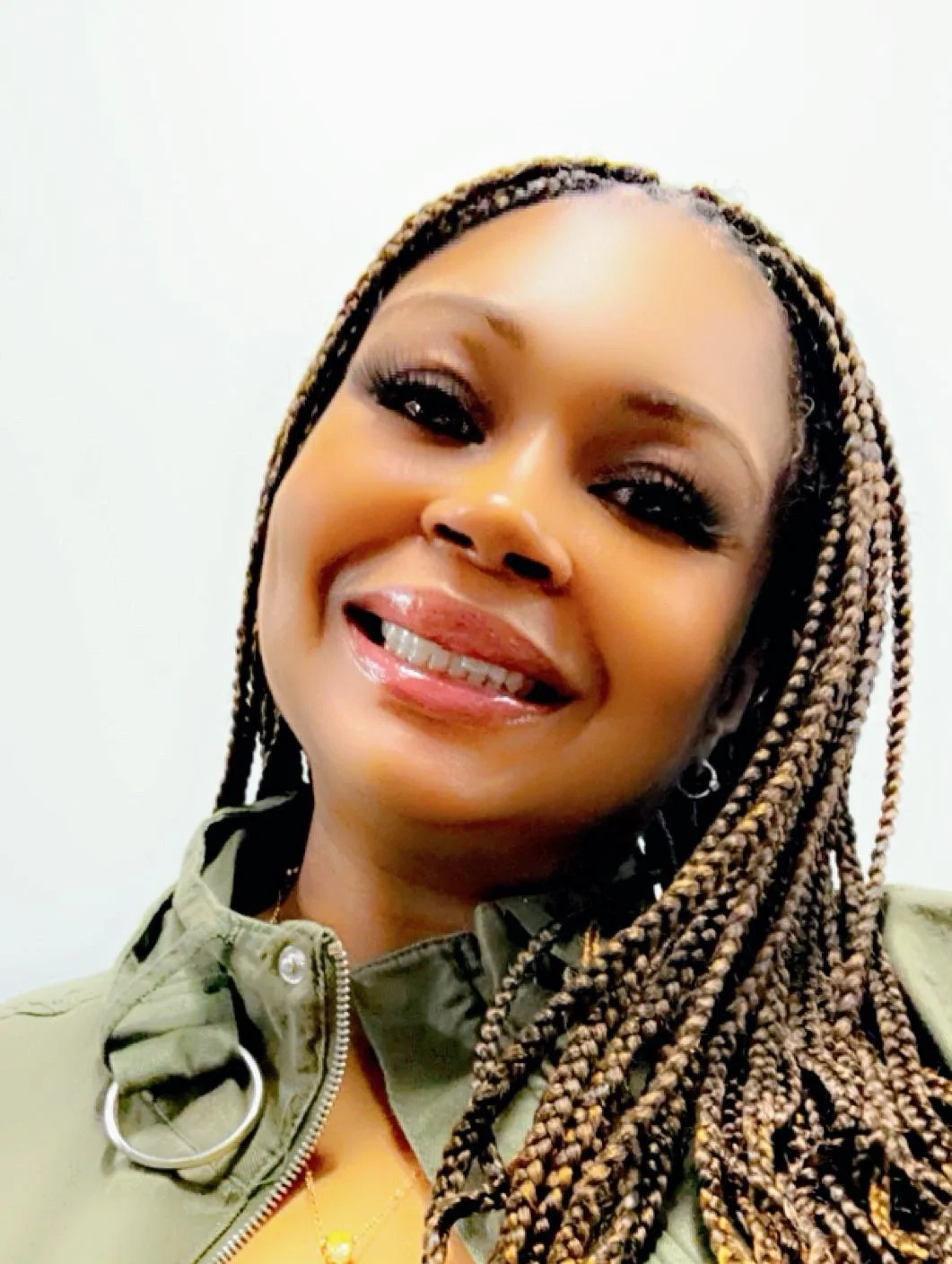
by JaVonna Lue
Pausing to Observe
Before I stepped out, I slowed myself down. That’s not always easy for me because I’m used to moving, organizing, helping, doing. But I took a moment to be still and present, not as someone coming to fix anything, but as someone willing to really see.
Walking my block, I saw what I’ve always known but don’t always stop to take in.
There are homes that are clearly cared for, people doing the best they can with what they’ve got. You can see it in the small things—swept sidewalks, kids’ bikes, little touches that say somebody cares about this space.
And then there are places that show the weight people are carrying, homes that need repairs, yards that got away from folks. I don’t see that as neglect; I see it as life being heavy.
There is a church that built a community center about 25 years ago, and it's beautiful on the outside, but they still haven't opened it yet. What a waste of an opportunity for the neighborhood.
I saw lots of children.
There are 3 churches on one street, and I would love to involve or collaborate with them in neighborhood projects. One is a food bank 2 days per week, and the other gives out free breakfast in the summer and has an outdoor church across the street in the summer!!
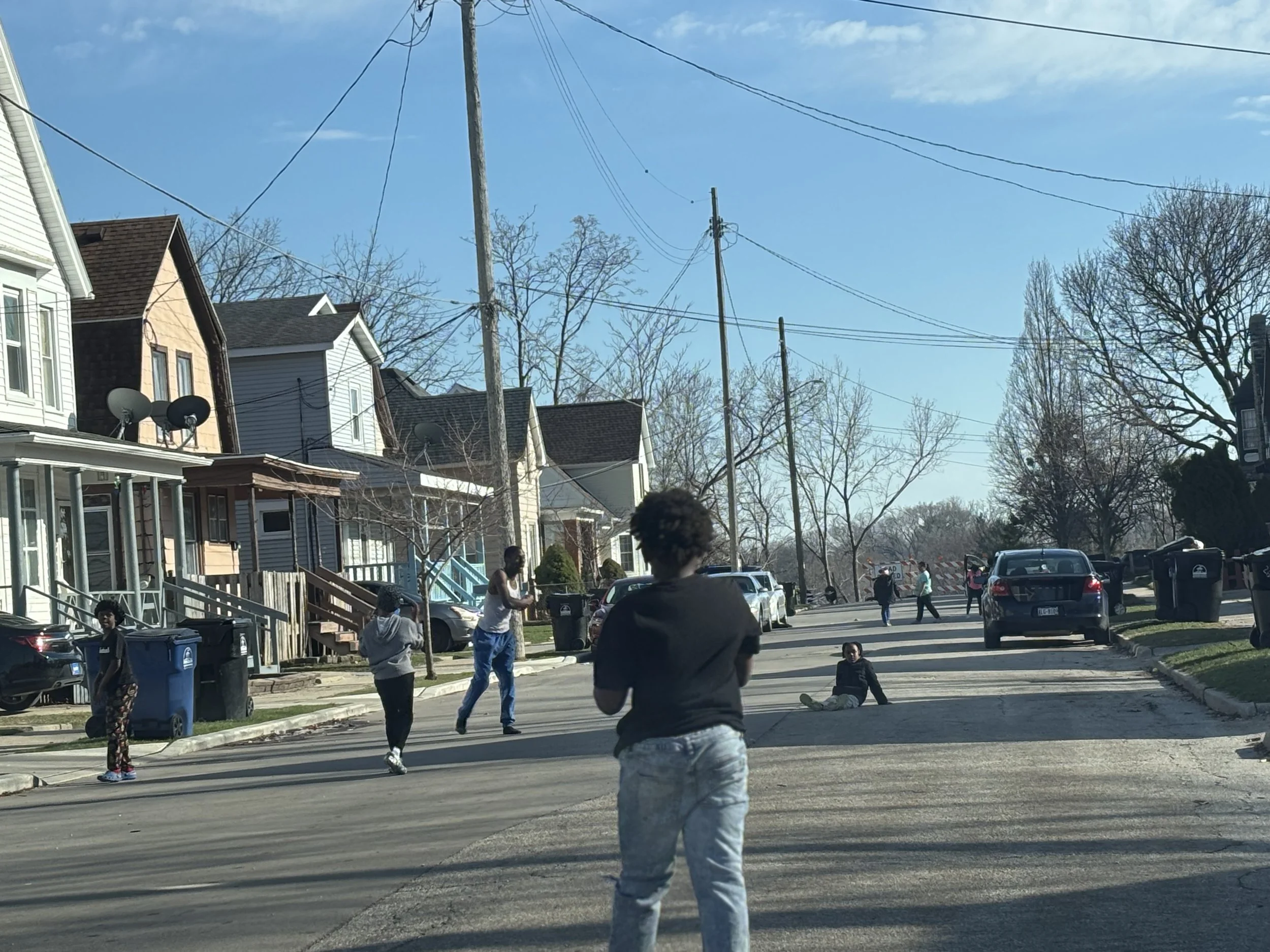
There aren’t many official public spaces, so the front yard becomes everything. Porches, steps, sidewalks, that’s where life happens.
I noticed people sitting outside, watching, talking, keeping an eye on things. That told me this block still has connection. It may not be organized, but it’s there.
The places with the most life were where people were visible and where kids were playing. There are lots of kids on Henry Street, and when the weather permits, they come out and play all day, neighbors talking, music playing somewhere in the background. That’s where I felt the most connection, too.
There’s so much potential in the empty or quiet spaces. Not just physically, but relationally. It wouldn’t take much to bring people together, just a little intention.
People gather in real, everyday ways, not events, just life. That stood out to me.
The places that felt safest were the ones where people showed up and were present.
What hit me right away was this: this block isn’t broken; it’s just carrying a lot. And there’s still life here.
We the people have to pour into our block, help each other fix homes and equipment.
“This neighborhood has everything it needs to be strong!! We just need to see each other and move together.”
Looking Inward
What stayed with me was the balance of struggle and strength.
I’ve been doing community work—giving out coats, food, and shoes for a long time. I’ve always come in ready to serve. But this made me pause and realize: there’s already something here.
I felt a mix of emotions—love, heaviness, but also hope. Not surface-level hope, but the kind that comes from knowing people are still here, still showing up.
I felt God most in the everyday moments—nothing flashy. Just people being present. That told me God isn’t waiting to show up here; God is already here.
I asked:
“Where are you already moving that I might be missing?
How do I not just serve people, but really be with them?
What does it look like to build, not just give?”
I felt like God was reminding me: “You don’t have to bring me to this neighborhood. I’m already here. Just join me.”
Moving Forward
What I’m taking from this is that my role isn’t just to meet needs!! It’s to build relationships and create space for connection.
This aligns with how I’ve always moved, loving people, showing up, believing in community. Even my connection to the spirit of movements like the Black Panther Party, that idea of community care and mutual support that’s already in me.
But now I feel called to go deeper.
My next steps:
Be more intentional about just being outside and present
Learn more neighbors by name and story
Create simple spaces for connection (like the BBQ, but beyond that, too)
Keep serving, but with more listening and fewer assumptions
The biggest thing I’m holding onto is this:
This neighborhood has everything it needs to be strong!! We just need to see each other and move together.